silicone resin directly affects the production efficiency and use effect. Curing too fast can lead to uneven material distribution, while too slow can prolong production cycles. Understanding the factors that influence its curing speed allows for better control over the curing process and adapting it to different application needs.
1. The level of temperature
temperature is one of the key factors affecting the curing speed of silicone resins. Within a certain range, an increase in temperature can significantly speed up curing. This is because when the temperature rises, the movement speed of resin molecules increases, and the frequency of collisions between molecules increases, which promotes the cross-linking reaction to proceed more quickly. For example, silicones that take hours to cure at room temperature may cure in just a few tens of minutes under proper heating conditions. However, the higher the temperature, the better, if the temperature is too high, it may cause the resin to cure too quickly, generate internal stress or bubbles, and affect the curing performance, so it needs to be controlled within the appropriate temperature range.

catalyst is an important factor affecting the curing speed of silicone resin, and different catalysts and the amount of addition will bring different effects. Different types of catalysts have different ability to promote the curing reaction of silicone resins, and some catalysts can quickly promote the reaction, which greatly shortens the curing time. Some catalysts have a relatively mild effect and will cure more slowly. In terms of the amount of catalyst added, within a certain range, increasing the amount of catalyst will speed up the curing speed, because more catalysts can provide more active centers for the reaction and promote cross-linking between molecules. However, if too much catalyst is added, it may cause the curing reaction to be too intense, resulting in uneven curing and affecting the product's performance.
the properties of silicone resins also determine how quickly they cure. The number and activity of the reaction groups in the molecular structure of the resin are the key, and the higher the number and activity of the reactive groups, the easier it is to cross-link reaction and the faster the curing speed. In addition, the molecular weight size and viscosity of the resin also have an impact, the resin with a smaller molecular weight and lower viscosity has better fluidity between molecules, the reactive groups are more likely to contact and react with each other, and the curing speed is relatively fast. Resins with larger molecular weight and higher viscosity are more limited in molecular movement, and the chance of contact with reactive groups is reduced, and the curing speed will be slower.
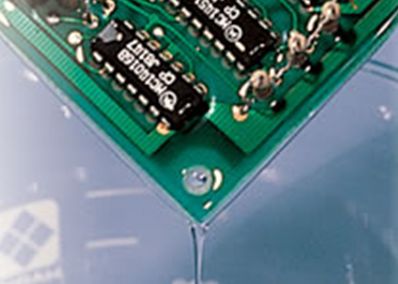
ambient humidity has a certain impact on the curing speed of some silicone resins. The curing reaction of some silicone resins needs to absorb moisture from the air before it can be carried out, and within a certain range, when the ambient humidity is high, the moisture content in the air is sufficient, which can provide more reactants for the curing reaction, thereby speeding up the curing speed. However, if the ambient humidity is too high, it may cause whitting, blistering, and other phenomena on the resin surface, affecting the curing quality. For silicone resins that do not require moisture to cure, the effect of ambient humidity is relatively small, but an excessively humid environment can delay the curing process because moisture may form a film on the resin surface, hindering the reaction.
In general, the curing rate of silicone resins is affected by a combination of factors such as temperature, catalyst, own properties and environmental humidity. In actual use, these factors need to be reasonably adjusted according to the specific resin type and application scenario to control the curing speed, ensure product quality and production efficiency, and allow silicone resin to better meet the needs of industrial production.